
Planning a gap year in Spain often starts with the same question: Should you join a structured gap year programme, or travel independently?
Both options can be rewarding, but they produce very different experiences. Independent travel offers complete freedom, while a structured programme provides qualifications, support, and a clear sense of purpose. The right choice depends on what you want to achieve during your time abroad.
Why independent travel is so appealing
It's easy to understand why many students imagine travelling independently. You can:
Choose your own itinerary
Change plans whenever you like
Stay longer in places you love
Travel without fixed schedules
For confident travellers with experience living abroad, this flexibility suits them well.
However, freedom also comes with responsibility. Without a plan, it's surprisingly easy to spend weeks organising accommodation, finding language classes, managing paperwork, and simply deciding what to do next. Many first-time gap year travellers discover that complete freedom isn't always as productive as they imagined.
The reality of travelling independently
Students who set up a year in Spain on their own usually have a memorable time, but they tend to run into the same frustrations.
It takes time to settle in
Instead of immediately exploring Barcelona, many spend their first few weeks:
searching for accommodation
finding reputable Spanish classes
learning local transport
navigating banking and administration
building a social circle from scratch
None of these are impossible, but they all take time and energy.
Learning Spanish is harder than expected
Many students assume they'll naturally become fluent simply by living in Spain. In reality, it's easy to fall into English-speaking routines.
You meet other international travellers, socialise in English, and visit businesses used to tourists. Without structured lessons and regular practice, language progress is often much slower than expected.
It's easy to drift
Perhaps the biggest challenge is a lack of direction. After several months abroad, many travellers have wonderful memories, but no qualification, recognised language certificate, or professional experience to show future employers or universities.
What a structured gap year programme offers
A structured programme still leaves plenty of room for adventure. The difference is that you don't spend your first month organising logistics, and you start working towards clear goals from the first week.
Qualifications that last beyond your trip
Unlike independent travel, a structured programme leaves you with recognised credentials.
Depending on your programme, you'll earn:
Trinity CertTESOL (Level 5 teaching qualification)
SIELE Spanish certification
Teaching work experience (Double Semester)
These are qualifications you can include on your CV long after your gap year ends.
Built-in support
Living abroad is exciting, but problems occasionally arise. With a structured programme you already have:
airport pickup
organised accommodation
Resident Assistants
dedicated programme coordinators
24/7 emergency support
Most students never need emergency assistance. However, knowing it's available makes living abroad far less stressful, particularly during your first weeks.
An instant community
One of the hardest parts of independent travel is meeting people. On a structured programme, your community already exists.
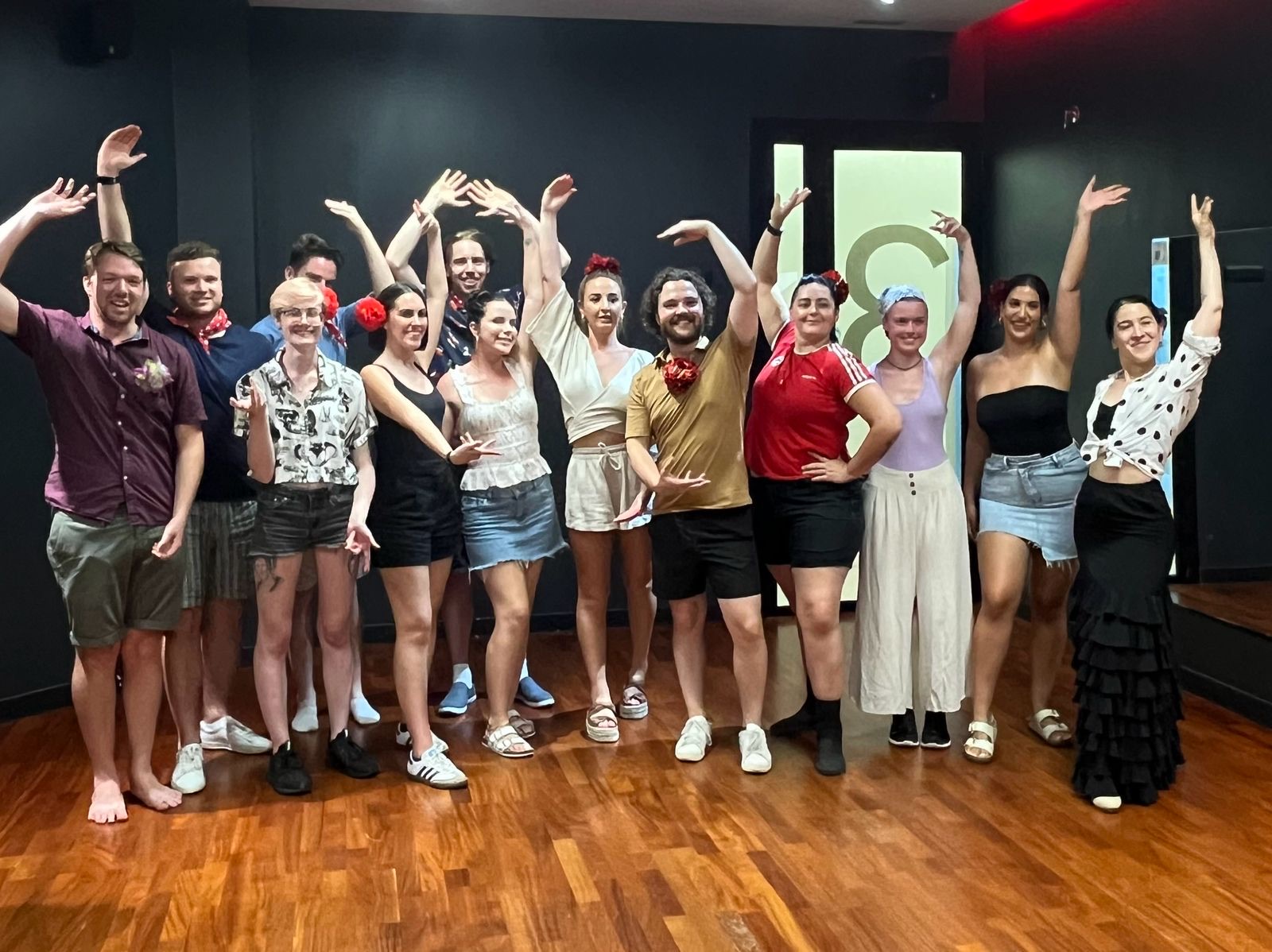
You'll study alongside students from around the world, share accommodation with fellow participants, and quickly build friendships through classes, activities, and weekend trips. For many students, these friendships are one of the best parts of the year.
A clear path to learning Spanish
Independent learners often struggle because there's no consistent routine. Our programmes combine classroom instruction with everyday immersion. You learn Spanish during lessons, then immediately practise it in cafés, shops, public transport, and daily life around Barcelona.
Semester and Double Semester students finish with the SIELE, an internationally recognised Spanish exam.
Is a structured programme more expensive?
At first glance, it often appears that way. However, it's worth comparing everything included. Our Semester Programme (12 weeks, €6,400) includes:
Trinity CertTESOL
Spanish classes
SIELE examination
accommodation
airport pickup
orientation
organised excursions
ongoing support
We won't pretend a structured programme is the cheapest way to spend time abroad. What it does is put the course, the classes, the exam and a room in Barcelona into one price, arranged before you land, which is a lot of organising you don't have to do from home. All the fees are on our dates and fees page.
Why many parents prefer structured programmes
If your family is helping fund your gap year, they'll naturally want reassurance. Structured programmes provide:
organised accommodation
airport pickup
emergency support
experienced staff
clear daily schedules
recognised qualifications
For many parents, these systems provide confidence without limiting a student's independence.
When independent travel is the better choice
Independent travel isn't the wrong decision. In fact, it may be the better option if you:
have already lived abroad independently
enjoy organising logistics yourself
have detailed travel plans
don't need qualifications or formal language study
simply want to travel for the experience
For experienced travellers, that freedom is worth a lot.
Structured gap year or independent travel?
There isn't one correct answer. Independent travel offers maximum flexibility and suits confident, experienced travellers.
A structured gap year programme in Barcelona offers something different: recognised qualifications, meaningful language progress, built-in support, and a clear sense of purpose.
For many students, especially those taking their first gap year, that combination is still useful long after they've come home.
Ready to see how a structured programme compares to going it alone? Compare our four programme options.