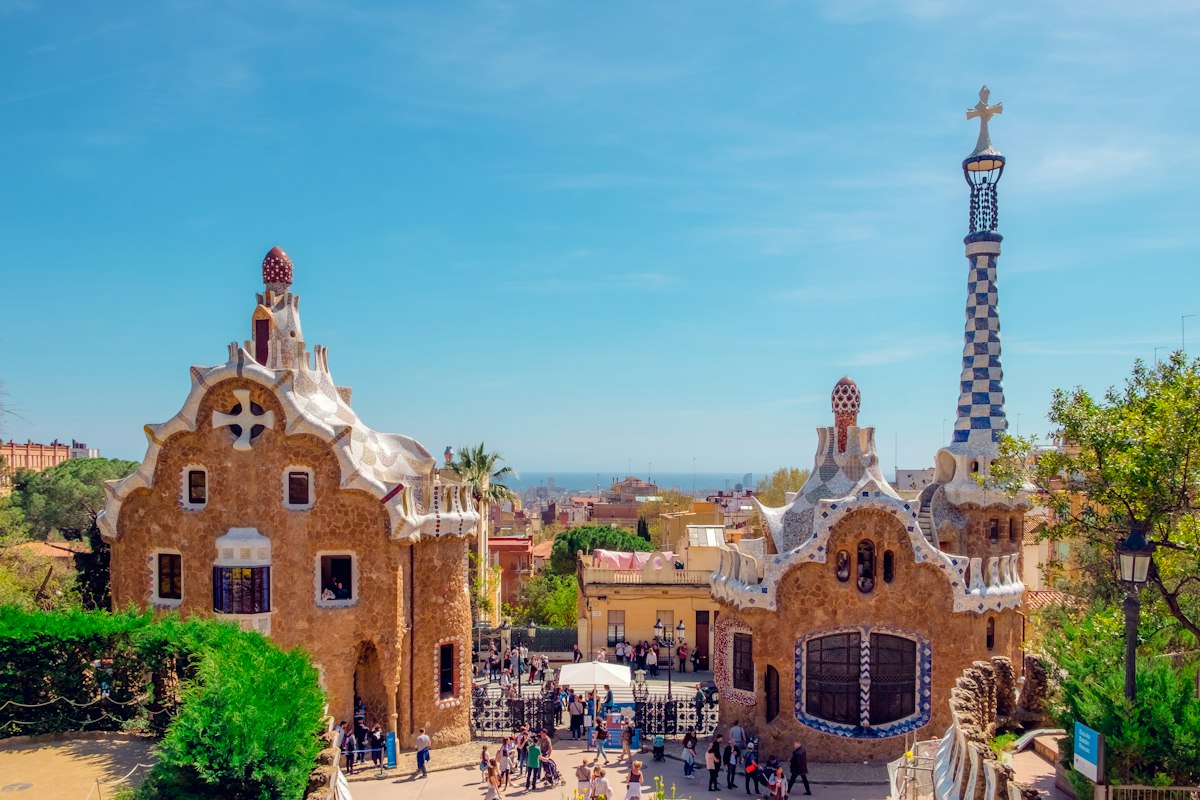
People ask us all the time: "But what do you actually do all day?" It's a fair question. A gap year in Barcelona sounds like a lot of sunshine and sangria — and yes, there's some of that — but there's real structure here too. Real learning. Real progress.
Here's an honest look at a typical week on the Gap Year in Spain program. Not the highlight reel. The actual week.
"The days are full in the best possible way. You finish each week thinking: I learned something, I explored something, I made a new friend."
Monday — Back to It
TEFL Training · Spanish Class · Group Dinner
The week kicks off with a morning TEFL session — usually a mix of methodology input (how do you actually teach grammar without boring everyone to death?) and peer micro-teaching practice. You're not just sitting and listening; you're on your feet, trying things, getting feedback. By lunchtime your brain is working hard. Afternoons are Spanish class — two hours of structured language learning with a small group of classmates. Monday evenings often turn into a group dinner somewhere in the Eixample. Someone finds a place, the WhatsApp group explodes, and suddenly twelve of you are sharing patatas bravas at a table meant for eight.
Tuesday — Into the Classroom
Teaching Practice · City Exploring
During the TEFL training phase, Tuesdays often include observed teaching practice — you plan a lesson, deliver it to real learners, and get structured feedback from your tutor. It's the part most students are nervous about before they arrive and proud of by the end of the first week. Once the CertTESOL phase is complete and you move into Spanish immersion, Tuesdays open up in the afternoon. This becomes the window for wandering — the Gothic Quarter, the Boqueria market, a bike ride along the seafront, or just sitting in the sun with a coffee in Gràcia and making a start on your Spanish homework.

The Gothic Quarter is ten minutes from class and a world apart from anywhere you've been before.
Wednesday — Cultural Activity Day
Organised Cultural Activity
Wednesday is when the program organises a group cultural activity. Over the course of your time here you'll do things like: a flamenco show and dinner, a guided tour of the Camp Nou, a day trip to Montserrat, a cooking class making traditional Catalan dishes, or a paddle boarding session at Barceloneta beach. These activities aren't optional extras — they're built into the program. They're also where a lot of the best friendships form. Something about scrambling up a mountain together or failing equally at flamenco footwork has a way of bringing people together fast.
Thursday — Language Deepens
Spanish Class · Work Experience · Free Time
Thursday mornings are Spanish class again — by week four or five, you'll notice you're starting to order coffee in Spanish without thinking about it. Small things, but they add up. For students on the Semester or Double Semester programs, Thursday afternoons can include teaching work experience hours — going into a local school or language academy to assist with English classes. You're not thrown in alone; it's structured and supported. But it's real. Real classrooms, real kids, real teaching.
Friday — End of Week Energy
Classes · Afternoon Off · Weekend Begins
Friday morning classes tend to have a lighter energy — a review of the week's Spanish, maybe a conversation exercise, a bit of language lab work. By early afternoon you're free. Some people head to the beach. Some take the train to Sitges for the weekend. Some sleep. Some plan a weekend trip to Madrid or Valencia. Barcelona's position in Spain and Europe makes it a genuinely excellent base — you can be in the mountains in an hour, on a French beach in three, or in a completely different country by dinner.

Friday afternoons at Barceloneta — your commute just got considerably better.
The Weekend — Yours
Weekends are unstructured. The program doesn't schedule anything, which is intentional — you need time to just live here. What actually happens is usually a mix of: exploring a Barcelona neighbourhood you haven't seen yet, day trips organised spontaneously by the group, catching up on language homework in a café, video calls home, and the occasional late Friday night that bleeds into a slow Saturday morning.
By the end of your first weekend you'll have figured out your favourite coffee spot, your go-to market, and which of your classmates is always the one to suggest something brilliant at the last minute.
"By week three, Barcelona stops feeling like a place you're visiting. It starts feeling like home."
What Makes It Work
The rhythm of the week is deliberate. Mornings in the classroom give structure and purpose — you're working towards the Trinity CertTESOL, one of the most respected TEFL qualifications in the world, and towards genuine Spanish proficiency. Afternoons and evenings are where the city does its part. You can't spend this much time in Barcelona without it changing you a little.
The group makes a bigger difference than most people expect. You arrive as strangers and within a week you have a crew. That's not a marketing promise — it's just what happens when you put twenty curious, adventurous people in the same city and give them reasons to spend time together.
If you're weighing up whether a gap year like this is right for you, the honest answer is: if you want something that's both genuinely challenging and genuinely fun, with a qualification at the end that actually opens doors — this is a week worth signing up for.
Explore the programs and see which length fits your plans.